
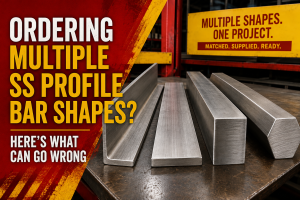
Most stainless steel profile bar orders aren’t single-shape orders. A structural frame needs angle bars for the corners and flat bars for the panels. A railing system needs square bars… Read more
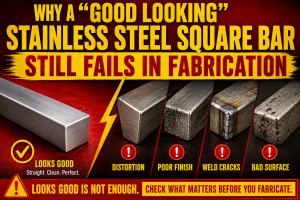
Most fabrication problems with stainless steel square bars don’t show up at receiving inspection. The bar looks straight, the surface looks clean, the certificate matches the order and everything seems… Read more
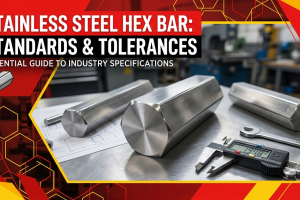
Introduction Ask any machine shop manager why they reach for Stainless Steel hex bar stock instead of round bar, and you’ll get the same answer every time: it saves a… Read more
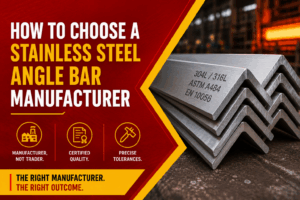
Grade selection gets most of the attention in stainless steel procurement conversations. Buyers compare 304L against 316L, check corrosion resistance tables, and move on. The grade printed on a quote… Read more
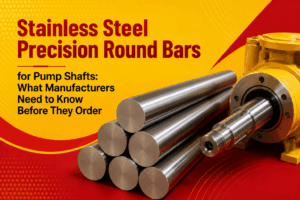
A pump shaft rarely fails because of a design flaw. Most of the time, machining shops use bar stock that isn’t round enough, straight enough, or clean enough. By the… Read more
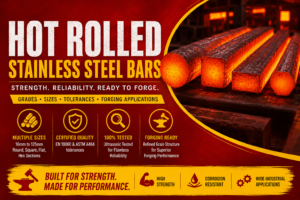
Mills produce hot rolled stainless steel bars by shaping steel at a temperature above its recrystallization point, typically 1700°F or higher. At this temperature, the material deforms easily without work-hardening, letting mills… Read more
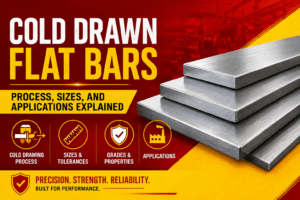
Introduction Stainless steel bars come in several finished states depending on the dimensional accuracy and surface quality a fabrication requires. Manufacturers deliver round, square, hexagonal and flat sections either hot… Read more
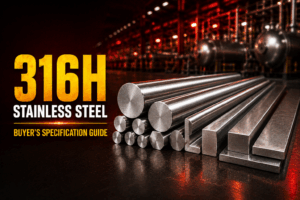
A surprising number of 316H Stainless Steel orders get rejected at receiving inspection — not because the supplier sent the wrong alloy family, but because the mill certificate shows carbon… Read more