
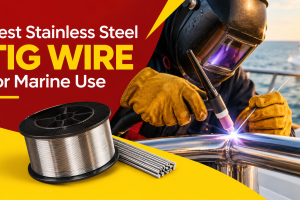
If you have ever seen a “stainless” railing blooming with rust spots a year after installation near the sea, you already know the problem: saltwater does not forgive a wrong… Read more
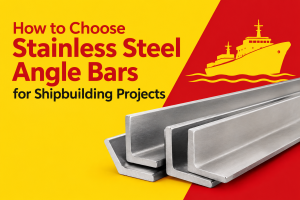
Every shipyard faces the same question: which material will still be sound after twenty years of salt spray, humidity and heavy welding? For frames, stiffeners and deck supports, stainless steel… Read more
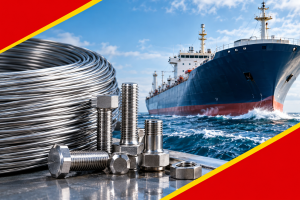
I’ve lost count of how many times I’ve had this exact conversation on a shop floor: someone pulls out a bolt that failed six months into service, still shiny on… Read more
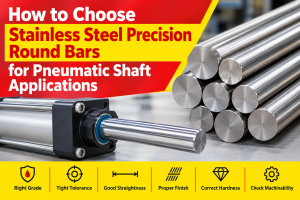
Most pneumatic cylinders that fail early don’t fail because someone picked the wrong grade outright. They fail because Stainless Steel Precision Round Bar got treated as one product, ordered the same… Read more
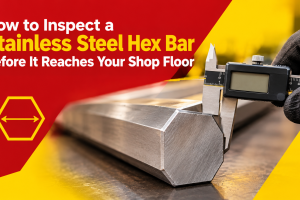
A round bar is easy to check — one diameter, one micrometer reading, done. A Stainless Steel Hex Bar isn’t. It has six flats, six corners, and three different ways… Read more
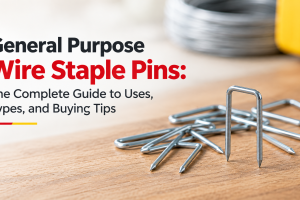
Introduction If you’ve ever worked on a fencing project, secured electrical cables, or handled general construction and packaging tasks, chances are you’ve come across a small but mighty fastener: the… Read more
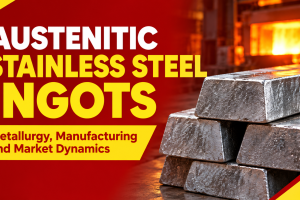
Austenitic stainless steel ingots remain the backbone of heavy forging, large-diameter rolling, and critical-service component manufacturing. For metallurgical engineers specifying alloy chemistry, procurement managers balancing cost against certification requirements, and… Read more
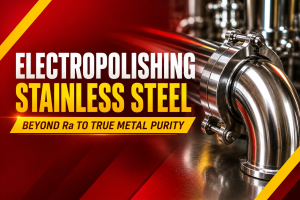
However, purity depends on the systems it flows through, where piping and fittings contact product for most of its life. That single fact re-frames surface finish from a cosmetic spec… Read more
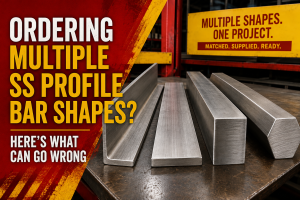
Most stainless steel profile bar orders aren’t single-shape orders. A structural frame needs angle bars for the corners and flat bars for the panels. A railing system needs square bars… Read more