MIG welding depends on several factors, but one of the most crucial is the type of wire used. MIG wire material influences weld strength, finish, and long-term performance. When welders select the right wire, they achieve cleaner joints and better consistency. Because of this, understanding wire basics helps both beginners and professionals improve results.
This blog explains how MIG welding wire works, what affects its performance, and how to choose the right option without confusion.
What Is MIG Wire Material and Why It Matters
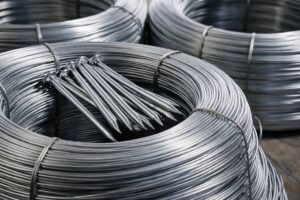
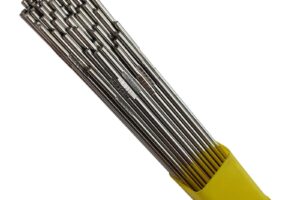
MIG wire material refers to the metal wire used as an electrode in MIG welding. During welding, the wire melts and joins two metals together. Since the wire becomes part of the weld, its quality directly affects the final result.
Good MIG wire material improves arc stability. It also reduces spatter and creates smooth weld beads. On the other hand, poor wire leads to weak joints and more rework. Therefore, choosing the right material saves both time and cost.
In addition, MIG welding wire material must match the base metal. When both materials work well together, the weld becomes stronger and more durable.
Common Types of MIG Welding Wire Material
MIG welding supports a wide range of metals. Each wire type works best in specific situations.
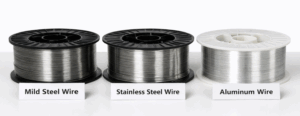
Mild Steel Wires
Mild steel wires are widely used in fabrication, automotive work, and general repairs. They offer good strength and smooth feeding. Since they are easy to handle, many welders prefer them for everyday use.
Stainless Steel Wires
Stainless steel wires resist corrosion and heat. As a result, they suit food equipment, marine parts, and chemical industries. Although they cost more, they deliver durability and clean welds over time.
Aluminum Wires
Aluminum wires work well in lightweight structures. They require careful feeding because they are soft. However, when used correctly, they produce neat and strong welds for transport and aerospace applications.
The Role of the MIG Welding Wire Spool
The mig welding wire spool plays a key role in feeding wire smoothly. A poorly wound spool can cause tangles and interruptions. In contrast, a well-made spool ensures steady wire flow and stable arcs.
Spool size also matters. Small spools fit short jobs and repair work. Large spools suit production environments where welding runs longer. Choosing the right size helps reduce downtime and improves workflow.
In addition, storage conditions affect spool quality. Dry and clean storage prevents rust and contamination, which can weaken welds.
How Wire Quality Impacts Weld Performance
High-quality welding wire melts evenly and creates uniform beads. Because of this, welds look cleaner and require less finishing. Good wire also improves penetration, which increases joint strength.
Low-quality wire often causes porosity and inconsistent arcs. These issues weaken the weld and increase rework. Therefore, investing in reliable wire saves time and cost in the long run.
Consistency also matters in large projects. When wire quality stays uniform, welders achieve repeatable results across multiple joints.
Choosing the Right MIG Welding Wire Spool
Start by identifying the base metal. Matching the wire to the metal improves bonding and strength. Next, select the correct wire diameter based on material thickness.
Shielding gas compatibility also matters. The right combination of gas and wire improves arc control and bead appearance. Finally, buy from trusted manufacturers who follow strict quality standards.
MIG Wire Material from Ambica Steels
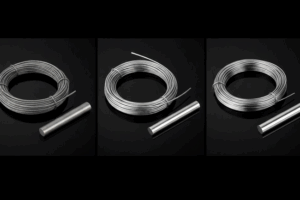
Ambica Steels supplies reliable stainless steel welding wire designed for consistent performance. Their products support smooth feeding and stable arcs, which help reduce spatter and defects. Welders benefit from precise diameter control and strong copper coating that improves conductivity.
The company offers MIG welding wire spools in 1.00 kg SD 100, 5 kg wire SD 200, 12.50 kg or 15 kg (SD 300) plastic or BS 300
Basket Spools. These spools feed evenly and reduce machine wear. As a result, users experience better efficiency and fewer interruptions during work.
Choosing the right welding wire is essential for strong and clean joints. From wire type to spool quality, every detail affects the outcome. When you focus on proper selection and trusted suppliers, you improve productivity and weld reliability.
A thoughtful approach to MIG welding materials ensures better results today and long-term performance in future projects.