Introduction
If you’ve ever worked on a fencing project, secured electrical cables, or handled general construction and packaging tasks, chances are you’ve come across a small but mighty fastener: the general purpose wire staple pin. Despite their simple design, these U-shaped metal fasteners play a critical role across agriculture, construction, electrical work, and industrial applications.
In this guide, we’ll break down what wire staple pins are, the different types available, their key applications, and what to look for when sourcing them for your project or business.
What Is a General Purpose Wire Staple Pin?
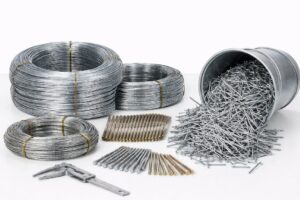
A wire staple pin is a U-shaped or fork-shaped fastener made from hardened or galvanized steel wire, designed to be driven into wood, masonry, or other surfaces to hold wires, cables, mesh, or fencing material securely in place. Unlike standard office staples, these are heavy-duty fasteners built for outdoor and industrial durability.
They are commonly manufactured from low carbon steel wire, high carbon steel wire, or galvanized wire, giving them the strength and corrosion resistance needed for long-term outdoor use.
Key Features of General Purpose Wire Staple Pins
- Sharp, pointed legs for easy penetration into wood or soft masonry
- U-shaped or divergent-point design for a firm, secure hold
- Corrosion-resistant coatings such as galvanization for weatherproofing
- Available in multiple gauges and lengths to suit different load requirements
- Cost-effective and reusable in bulk industrial applications
Common Applications of Wire Staple Pins
1. Fencing and Agriculture
One of the most popular uses of wire staple pins is securing wire mesh, chain-link fencing, and barbed wire to wooden or concrete fence posts. Farmers and agricultural contractors rely on galvanized staple pins for their rust resistance, especially in outdoor environments exposed to rain and humidity.
2. Electrical and Cable Installations
Electricians frequently use staple pins to fasten electrical wires and cables along walls, baseboards, and wooden structures. Insulated or coated staple pins help prevent damage to cable insulation while keeping wiring neat and secure.
3. Construction and Carpentry
In construction, wire staples are used to attach insulation, netting, tarps, and mesh to wooden frames. They’re also handy for temporary fastening during form-work and scaffolding setups.
4. Packaging Industry
Heavy-duty staple pins are used in the packaging sector to seal wooden crates, pallets, and boxes, ensuring goods remain secure during transportation.
5. Upholstery and Furniture
Smaller gauge staple pins are used in upholstery work to attach fabric, webbing, and padding to wooden furniture frames.
Types of Wire Staple Pins
| Type | Material | Best For |
|---|---|---|
| Galvanized Staple Pins | Galvanized steel wire | Outdoor fencing, agriculture |
| Black Annealed Staple Pins | Low carbon steel | Indoor/general purpose fastening |
| Insulated Cable Staples | Steel with plastic/rubber coating | Electrical wiring |
| Heavy Duty Fencing Staples | High carbon steel | Chain-link and barbed wire fencing |
Benefits of Using Wire Staple Pins
- Durability – Withstands harsh weather conditions when galvanized
- Ease of Installation – Can be hammered manually or driven with a staple gun
- Cost-Efficiency – An affordable fastening solution for bulk industrial needs
- Versatility – Suitable across agriculture, construction, and electrical sectors
- Strong Holding Power – Designed to resist pull-out under tension
How to Choose the Right Wire Staple Pin
When sourcing wire staple pins for your project, consider the following factors:
- Wire Gauge: Thicker gauges offer more strength for heavy fencing; thinner gauges suit lighter cable work.
- Coating: Choose galvanized or zinc-coated pins for outdoor and moisture-prone environments.
- Length: Match the leg length to the material thickness you’re fastening into.
- Point Type: Divergent points offer better holding power, while chisel points are easier to drive into hard wood.
- Application: Confirm whether you need insulated staples (for electrical work) or standard uncoated staples (for general fastening).
Why Quality Matters When Sourcing Wire Staple Pins
Not all staple pins are created equal. Poor-quality wire can bend during installation, snap under tension, or corrode prematurely — leading to costly rework and safety risks, especially in fencing and electrical applications. Sourcing from a reliable steel wire manufacturer ensures consistent wire diameter, proper heat treatment, and reliable corrosion protection, which translates to longer-lasting installations and fewer maintenance headaches.
Conclusion
General purpose wire staple pins may be small, but their impact across agriculture, construction, electrical, and packaging industries is significant. Choosing the right type, gauge, and coating for your specific application ensures durability, safety, and cost savings in the long run. Whether you’re fencing a farm, securing electrical wiring, or working on a construction site, investing in high-quality wire staple pins is a small decision that delivers lasting results.
Looking for high-quality general purpose wire staple pins for your business? Partner with a trusted steel wire manufacturer to ensure consistent quality, durability, and timely bulk supply for your industrial or agricultural needs.
Frequently Asked Questions (FAQs)
Q1. What is the standard size of a general purpose wire staple pin? Wire staple pins typically range from 10mm to 50mm in leg length and 1mm to 4mm in wire gauge, depending on the application.
Q2. Are galvanized wire staple pins better than regular ones? Yes, galvanized staple pins offer superior rust and corrosion resistance, making them ideal for outdoor and agricultural use.
Q3. Can wire staple pins be used for electrical wiring? Yes, but it’s recommended to use insulated or coated staple pins specifically designed for cable installation to avoid damaging wire insulation.
Q4. What material is best for heavy-duty fencing staples? High carbon galvanized steel wire is best suited for heavy-duty fencing applications due to its strength and weather resistance.